The Gibb River Road is arguably one of Australia’s most iconic outback tracks, drawing adventure seekers from around the world to test their mettle against the brutal Kimberley wilderness. But the question nags many before they set out: Is a stock Toyota LandCruiser 70 Series really enough for the Gibb River Road?
As someone who has spent over a decade interviewing station owners, local tour operators, and those who live and breathe remote travel, I’m here to give you a grounded, no-fluff answer. Let’s unpack why the 70 Series’s simple design, legendary reliability, and rugged build have earned it a cult following — and why, despite its toughness, preparation is key when tackling the unpredictable Kimberley terrain.
The 70 Series Legacy: Reliability Born from Simplicity
The Toyota LandCruiser 70 Series is not your average off-road vehicle. Launched in 1984, this land diamond has barely changed in essence for over 35 years. The philosophy behind the 70 Series—robust mechanics and easy repairability—is a direct response to Australia’s harsh, remote outback environment.
Unlike newer SUVs loaded with complex electronics and luxury features, the 70 Series keeps it simple. Its mechanical components are easy for remote area workshops (or even skilled bush mechanics) to service. This simplicity matters immensely on remote routes like the Gibb River Road, where the nearest workshop or parts store may be hundreds of kilometres away.
Why Simple Design Matters Out Here
When you’re deep in the Kimberley and you’ve just crossed one of the notorious gibb river road crossings, your vehicle’s system needs to be straightforward enough to diagnose and fix on the spot. Overly complex electronics and hard-to-find parts can turn a minor breakdown into a multi-day nightmare.
The 70 Series, respected by local station owners and tour operators alike, is a proven workhorse that prioritizes serviceability. That’s one reason the Australian Explorer community continues to champion it as the go-to vehicle for Kimberley 4WD prep.
Outback Routes That Punish Vehicles
The Gibb River Road is not just about long distances; it’s about face-to-face encounters with unforgiving terrain:
- Sharp Rocks and Harsh Corrugations: The Kimberley's rugged paths are lined with sharp rocks that chew tyres, so running sharp rocks tyres or reinforced sidewalls is a must. River Crossings: The many dry-season river crossings can surprise even seasoned adventurers. Water depth varies rapidly with rains upstream, and crossing points are often rocky and uneven. Corrugations: Long stretches of corrugated track threaten suspension components and cause driver fatigue. Vehicles need durable suspension and robust underbodies.
A stock 70 Series has good ground clearance, solid steel axles, and a chassis designed to last. However, even the toughest vehicle can face trouble if unprepared.
Is the Stock 70 Series Enough? The Short Answer: Yes, But Be Smart
Truth bomb: a straight-from-the-factory 70 Series can navigate the Gibb River Road under ideal conditions. But ideal conditions are rare. Here’s where preparation and local knowledge come in:
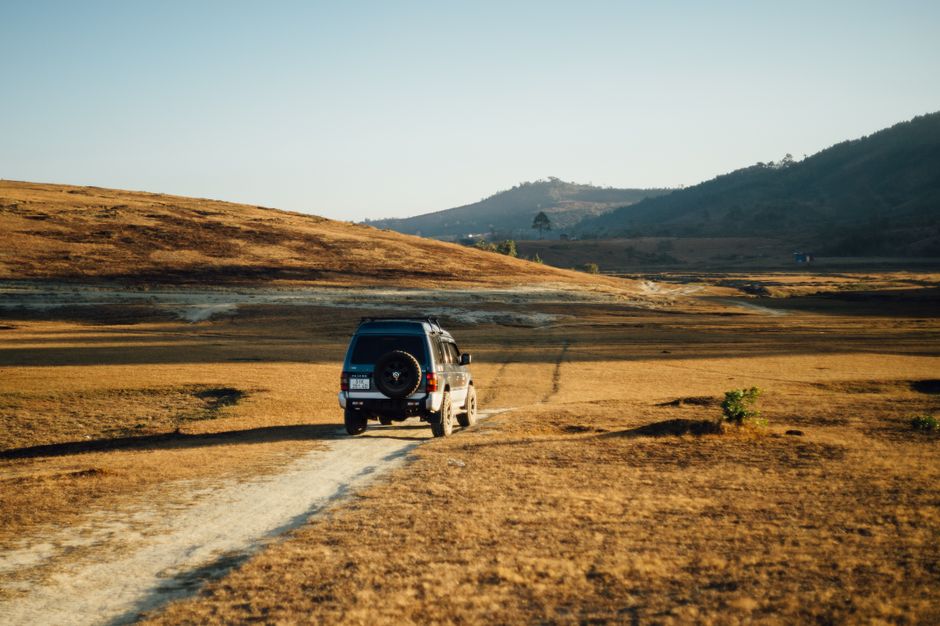
Tyres Are Your Front Line. Stock tyres won’t cut it. Invest in sharp-rock-rated tyres with tougher sidewalls to handle Kimberley 4WD prep expectations. Suspension and Recovery Points. While the 70’s suspension is robust, upgrading shock absorbers or adding dual-rate springs can improve durability on corrugations. Recovery points are often overlooked; check that yours meet practical recovery standards to avoid on-track headaches. Weight Considerations. Don’t overload. The 70 Series isn’t a monster truck — payload management is critical. Carry tools, spares, and recovery gear without tipping the scales. Fuel Planning. The Gibb River Road can have long fuel gaps, so carrying extra fuel and sanity-checking distances is mandatory. Knowledge of River Crossings. Study conditions and local advice. Australian Explorer guides and local stations provide invaluable info on when and where to cross safely.
Lessons from the Locals and Operators
Interviewing station owners along the Gibb River Road has reinforced one major point: the 70 Series thrives on simplicity and reliability, but no vehicle is invincible.
- Local Tour Operators: They praise the 70 Series because even when things go wrong, it’s repairable miles from the nearest workshop. Station Owners: They often recommend carrying a basic spares kit and understanding your vehicle rather than relying on complex technology. Community Wisdom: The Australian Explorer forums and communities provide real-time testaments to which upgrades make a difference on sharp rocks and river crossings.
Tracking the Latest Real-World Reports
For current travellers, keeping tabs on road conditions and recovery updates can save hours of frustration. I recommend subscribing to a reliable RSS feed such as travel-advice.xml. It delivers fresh info to your inbox or browser, helping you make smart decisions especially on unpredictable terrain.
And if you found this post useful, share it with your mates on Facebook — after all, good advice on Kimberley 4WD prep is hard-won, and sharing it keeps the community going strong.
Final Thoughts
The Toyota LandCruiser 70 Series’s long-standing presence and barely-changed DNA show why it’s Australia’s remote travel icon. It is absolutely capable on the Gibb River Road — but only if you respect the punishment Kimberley terrain dishes out.
Simple design meets rugged reliability, but the devil’s in the blog.australianexplorer details: upgrade your tyres, plan fuel and recovery carefully, and don’t take any shortcuts on river crossing knowledge. Prepare smart, tread carefully, and your stock 70 Series will carry you deep into the heart of the Australian wilderness.

For more detailed insights and the very latest in Kimberley 4WD prep tips, follow resources like Australian Explorer and tune in to community RSS feeds to stay informed.